Inta Omri, You Are My Life
The love song that stopped the Arab world. Umm Kulthum's Inta Omri, released in 1965, is one of the most loved Arabic songs ever. The story of its music, words and enduring romance.
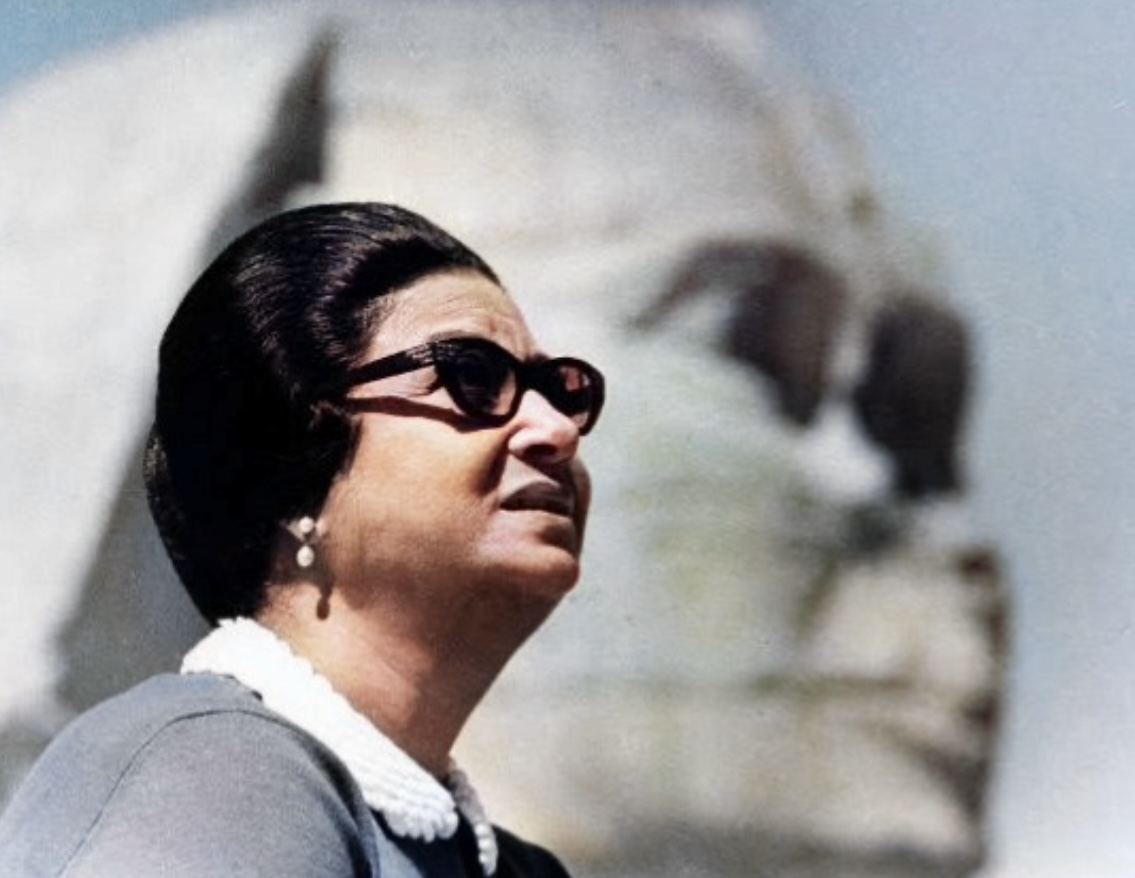
Umm Kulthum in 1969: Unknown author, Public domain
A song called You Are My Life
Inta Omri means you are my life, and few songs have ever carried a title so well. Released in March 1965 by Sono Cairo Records, it was sung by Umm Kulthum, the Egyptian singer often called the voice of the Arab world.
The song brought together two giants of Arabic music for the first time: Umm Kulthum and the composer Mohamed Abdel Wahab. The words came from the poet Ahmed Shafik Kamel, and they speak of a love that makes every day before it feel wasted.
Why it still moves people
The music is built in maqam Kurd, a mode often used for gentle, romantic feelings. Like many of Umm Kulthum's songs, it was performed at great length in concert, with the singer repeating and reshaping lines as the audience called out for more.
Generations of singers have performed it since, and its opening phrases are still recognised instantly across the region, at weddings, in cafes and on late-night radio.
Listening together
If you are new to classic Arabic music, give Inta Omri your full attention once, ideally with someone you love. Let the long introduction play, then listen to how the voice returns to the same line with a different feeling each time.
Saying enta omri or enti omri to someone carries the weight of this song. It is not a casual phrase, it is a promise.
The voice behind it
Umm Kulthum began singing as a child and became the most famous voice in the Arab world. Her monthly concerts were broadcast on radio across the region, and streets were said to empty as people gathered to listen.
She was known for taking a single line and singing it many times, each time with a new shade of feeling, until audiences shouted with delight. That style, called tarab, is about the emotional high that music brings, and Inta Omri is one of its finest examples.
Decades later, her recordings still play in cafes from Cairo to Riyadh, and young artists continue to cover her songs, introducing them to new generations who find the romance just as powerful.

- Umm Kulthum in 1969: Unknown author, Public domain
- Umm Kulthum in 1950: Not credited, Public domain
Text written by Hala Habibi.