Oud and Arabian Perfume
The scent of the Gulf. Oud is a rare, resin-rich wood prized for perfume and incense across the Gulf. How it forms, why it is so expensive and how people wear it.
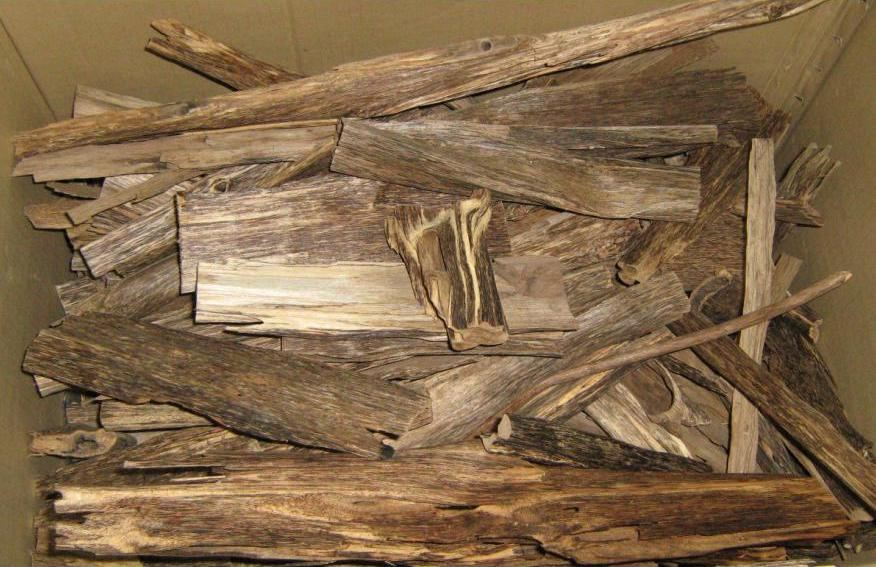
Top-grade agarwood: Hafizmuar at English Wikipedia, CC BY-SA 3.0
A scent born from a wound
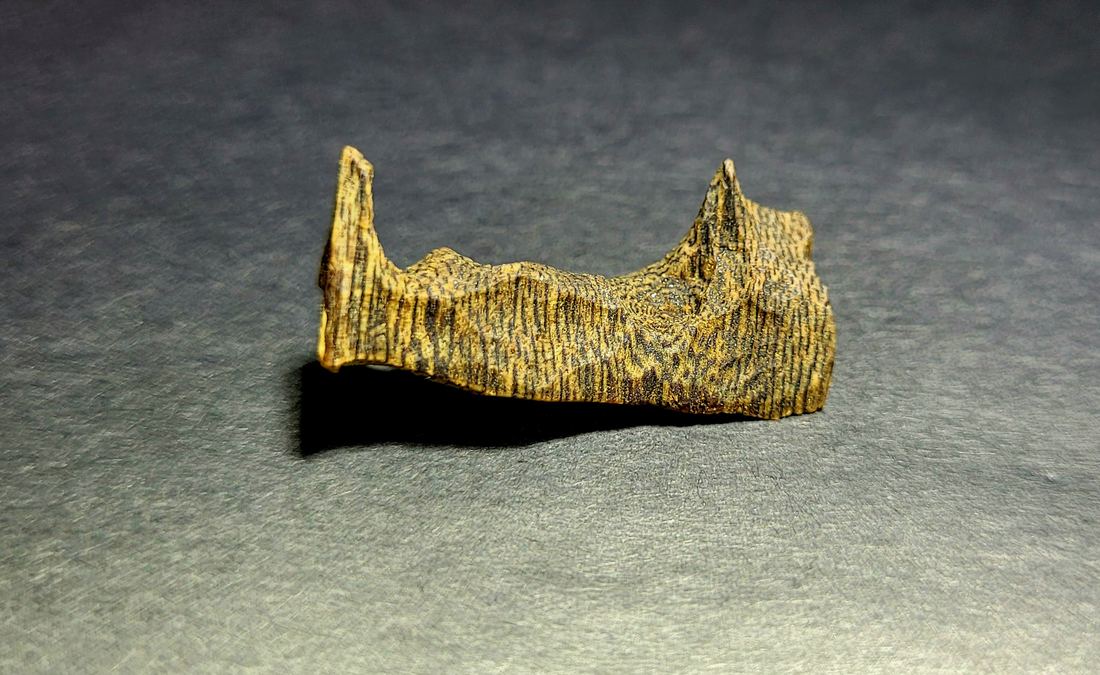
Oud, also called agarwood, comes from Aquilaria trees of South and Southeast Asia. Healthy wood has almost no smell. When a tree is infected by a certain mould, it fights back by filling its heartwood with a dark, fragrant resin. That resin-soaked wood is oud.
Because only some trees form it, and slowly, oud is one of the most expensive natural materials in perfumery. Wild trees have been over-harvested, and since 1995 the main source species has been listed under CITES to control the trade.
How the Gulf wears oud
Across the Gulf, oud is worn as concentrated perfume oil, dabbed on the wrists and neck, and burned as chips or bakhoor, scented wood soaked in perfume. The smoke is used to perfume homes, clothes and hair before guests arrive or before a night out.
The scent is deep and woody, with smoky, sweet and leathery notes, and it is often blended with rose, amber or musk.
A romantic gift
A bottle of oud oil or a box of bakhoor is a classic gift between people who love each other. Good oud is strong, so a little goes a long way. Try it on skin before you buy, because it changes over hours as it warms.
Choose sellers who explain where their oud comes from, and look for cultivated sources that support sustainable trade.
Building a scent wardrobe
Arabian perfumery is about layering. Many people start with a scented body oil, add a perfume oil with oud or rose and finish with a spray. The layers blend with the skin and last for hours.
Rose is oud's classic partner. Rose oil from Taif, a city in the mountains of western Saudi Arabia, is especially famous, harvested in spring when the fields bloom. Amber, musk, sandalwood and saffron also appear often in Gulf blends.
If you are new to oud, try a blend first rather than pure oud oil, which can feel very strong. Over time, many people come to love its depth, and it becomes the scent they connect with home, family and the people they love.

- Top-grade agarwood: Hafizmuar at English Wikipedia, CC BY-SA 3.0
- Dark resin-rich oud: Sinedi Matt, CC BY 4.0
- An incense burner sculpture in Doha: Alex Sergeev (www.asergeev.com), CC BY-SA 3.0
Text written by Hala Habibi.